COMPANY
Home
Where We Build
About Us
Contact Us
Vendor Inquiry

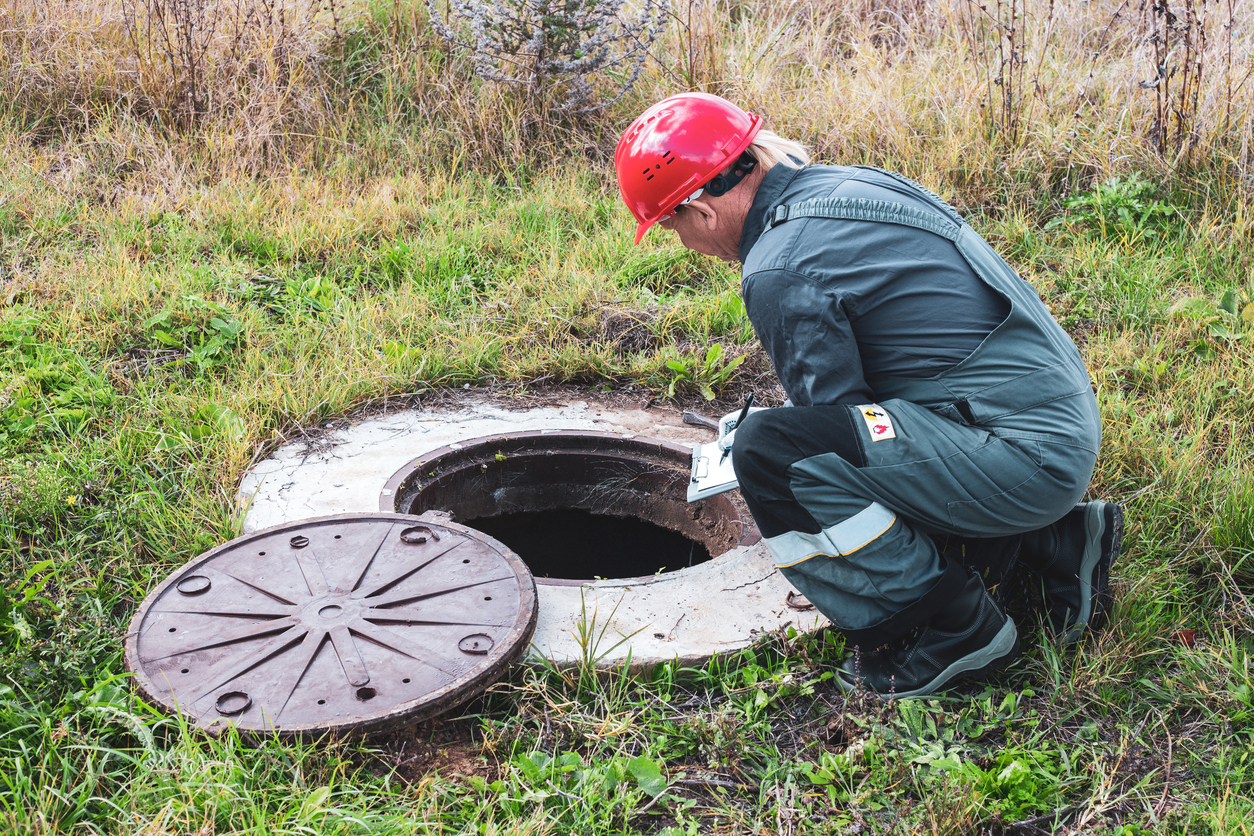
When you buy land to build a home, there’s a practical question you have to answer before you begin working with a builder: how will your home get water?
For homeowners building on their own land, water is the foundation of daily life.
Some properties have access to city water, where the municipal water system provides a treated water supply for a monthly bill.
Other properties require drilling into underground aquifers to create a private well.
Both choices come with unique costs, maintenance needs, and long-term lifestyle implications.
Understanding the difference between city water and well water is crucial if you want your new home to be both comfortable and future-proof.
Let’s break it down.
At first glance, the choice looks simple. But the systems behind each option couldn’t be more different.
With city water, the local municipality collects from lakes, rivers, or reservoirs. This water is known as surface water.
That water is treated using a filtering process and sometimes chemical treatment to remove bacteria, harmful chemicals, and heavy metals before it ever reaches your home.
Because it’s regularly tested to meet EPA quality guidelines, most people prefer city water. They trust it as safe drinking water right out of the tap.
A private well is a water source located directly on your homeowner’s property.
Instead of relying on a central system, you’re tapping directly into untreated groundwater.
Wells use a pump, pressure tank, and sometimes a water filtration system or water softener to make sure water flows cleanly into your home’s plumbing system.
While there’s no ongoing monthly bill, wells require vigilance.
Because this is an unfiltered water supply, it needs to be regularly tested for water contamination. Anything from dead animals near the aquifer to harsh chemicals or calcium and magnesium that can harden water.
For homeowners building in developed subdivisions or closer to town, city water is often the default option.
It’s simple, predictable, and already integrated into most neighborhoods. But that convenience comes with trade-offs.
Here’s an outline of the pros and cons of city water vs. well water.
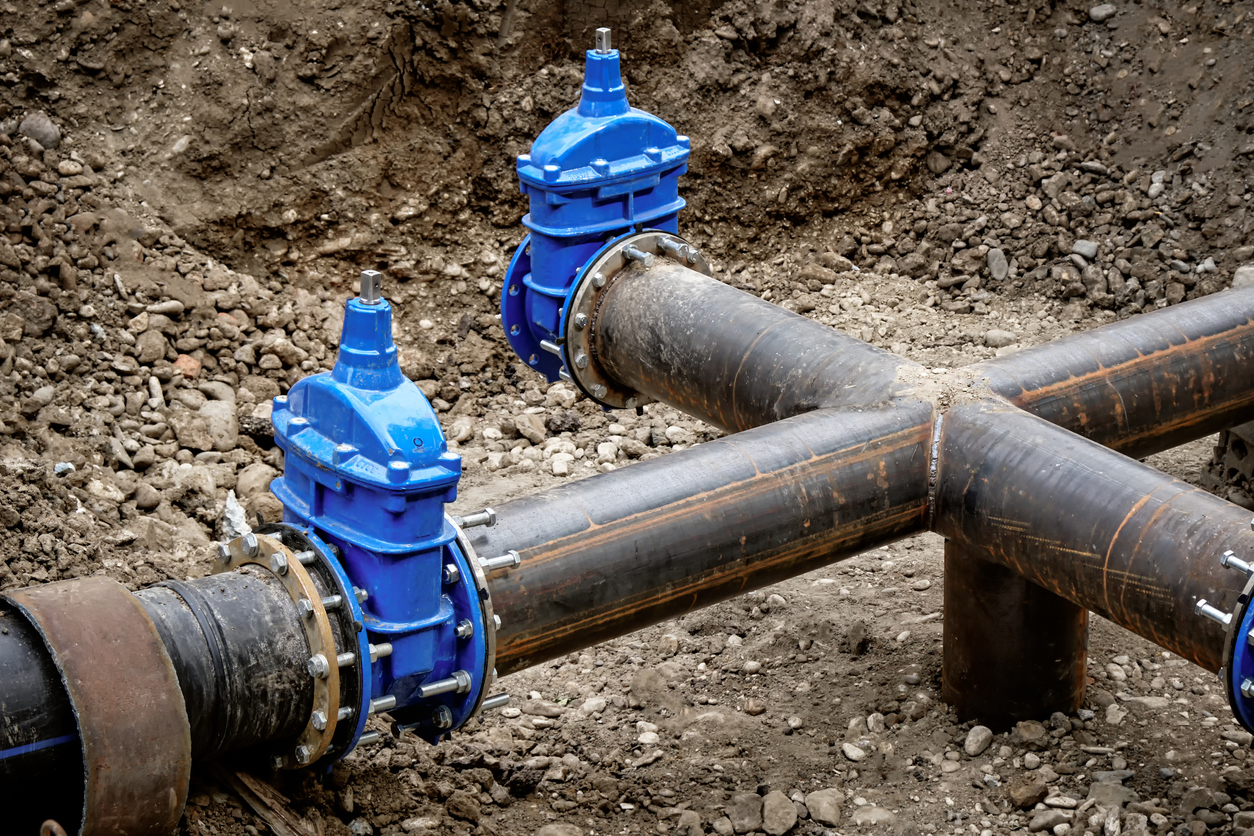
If your lot has access to the municipal water system, you can usually connect quickly.
Once your home’s plumbing system is in place, water flows with little effort on your part.
You’ll never have to think about pumps, pressure tanks, or own well maintenance.
City water is tested regularly by your local municipality under strict Environmental Protection Agency standards.
That means your tap water has gone through multiple stages of treatment (filtering, chemical treatment, and sometimes fluoridation) to protect against harmful chemicals, water contamination, or heavy metals.
Unlike a private water supply, city water comes with a monthly bill.
Over time, these water bills can add up. Especially if you plan for heavy irrigation, a pool, or larger square footage with more bathrooms.
Because water is treated with chlorine and other chemicals to kill bacteria, some homeowners notice a “chemical” taste in their drinking water.
Many end up installing a whole house water filter or under-sink water filtration system to improve flavor and remove lingering harsh chemicals.
Relying on a city’s water supply means you’re also subject to its weaknesses.
A natural disaster, contamination event, or even a large-scale power outage can interrupt your access.
While rare, issues like broken mains or unfiltered water advisories remind homeowners that shared systems are never 100% under their control.
If you’re building in a rural area or on acreage that’s not connected to the city’s water supply, you’ll likely need a private well.
A well can be an incredible asset for homeowners who value independence and control, but it also comes with responsibilities that city water users never face.
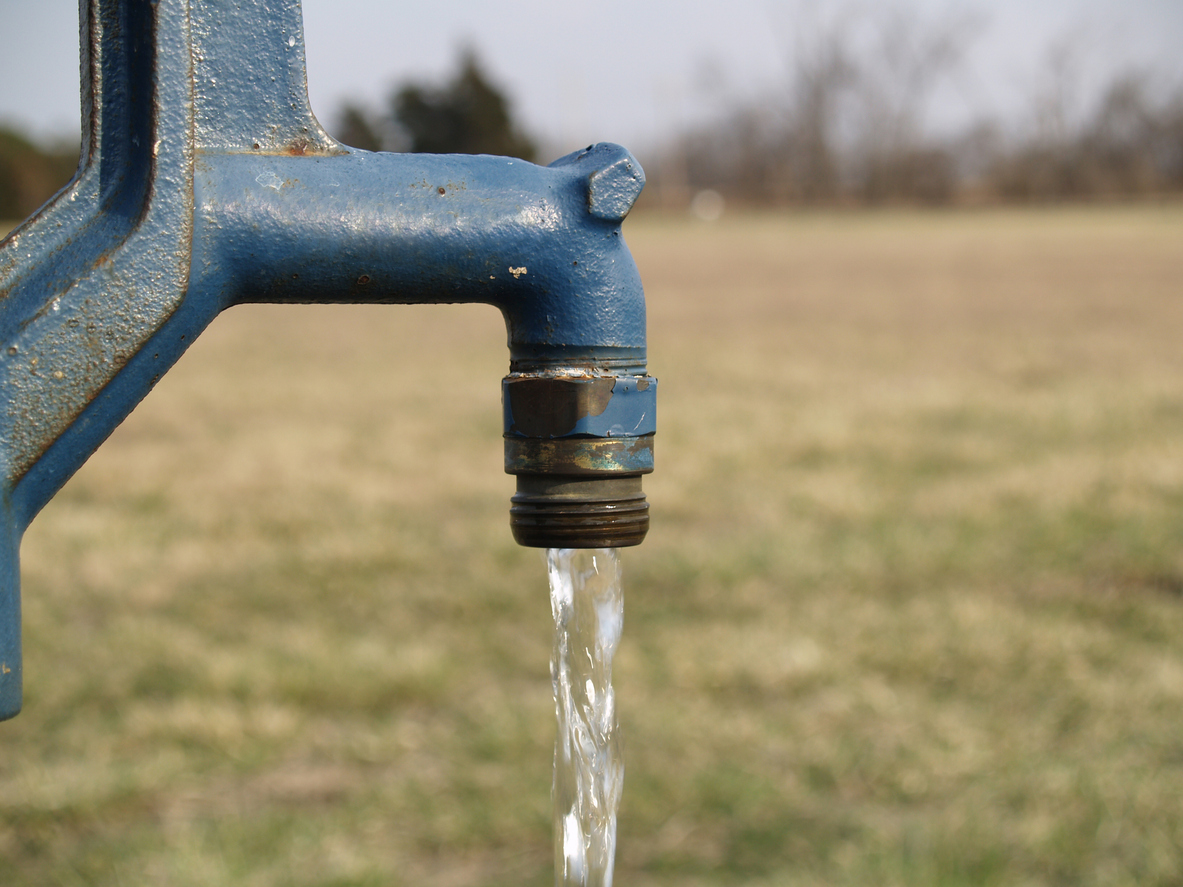
Once the well is drilled and your water systems are installed, you’re free from a monthly water bill.
Over time, this adds up to major savings compared to the constant charges from a local municipality.
For families planning long-term living on their land, this financial independence is appealing.
With a well, you control your private water supply. Your access doesn’t depend on the city’s ability to maintain pipes or deliver treated water.
Even if your neighbors face restrictions during drought, your irrigation and household water use remain in your hands.
Many homeowners say well water tastes better because it’s drawn from underground aquifers instead of surface water.
It often contains natural minerals like calcium and magnesium that can give the water a fresh, earthy flavor. A proper filtration system, makes it possible to enjoy healthy water without the aftertaste that comes with chemical treatment in city systems.
Because the well is located on the homeowner’s property, it can continue to provide water even if the city shuts down. And with backup solar power or a generator, you can still pump water through your home’s plumbing system during a power outage.
For some families, that security is priceless.
Drilling into underground aquifers isn’t cheap. Between drilling, equipment, and permits, homeowners must budget thousands of dollars for installation.
That’s before considering the price of a water softener or whole house water filter to treat the water.
Unlike city water, where the local governments handle upkeep, wells make you the operator.
Pumps can fail, pressure tanks can break, and repair costs are yours to cover.
A failure can leave you without running water until the issue is fixed.
Because it’s untreated groundwater, well water carries potential risks.
It must be tested regularly for heavy metals, harmful chemicals, or water contamination caused by farming, septic systems, or even dead animals near the aquifer.
Without testing, you may be drinking unfiltered water that doesn’t meet EPA quality guidelines.
Whether you choose well water or city water, cost plays a big role in your build.
The expenses come at different times and in different forms.
For most homeowners, it’s a trade-off: pay more upfront for a well and save later, or pay less at the beginning with city water and plan for a lifetime of monthly expenses.
When you’re building a home on raw land, water access can directly influence how quickly your project moves forward.
Drilling a private well isn’t a one-day job.
It requires permits, scheduling with drilling contractors, and sometimes weeks of waiting depending on soil and depth to underground aquifers.
Once the well is in place, the water must be tested regularly before being considered safe drinking water.
Delays here can push back plumbing installations and even interior work if the home’s plumbing system can’t yet be connected to a reliable water source.
In addition, if you’re installing a septic system alongside your well, the placement of each must be carefully planned.
Poor planning risks water contamination, which means inspections and potential redesigns.
Hooking into municipal water is usually quicker, especially in subdivisions or areas already served by the city’s water supply.
Once approvals are complete, crews can trench and connect your lot to the existing lines. From there, your builder can tie the supply directly into the home’s pipes.
But speed depends on proximity.
If your lot is outside the immediate grid, the local municipality may need to extend water lines to your property.
That process can be time-consuming and costly, adding weeks (or even months) to your build timeline.
Your choice of water source also influences the way your home is designed.
With well water, minerals like calcium and magnesium are common.
While these aren’t harmful, they can leave scale on fixtures and shorten the life of appliances.
Many homeowners add a water softener or house water filter as part of their system. Planning space for this equipment in your utility room during the design phase prevents headaches later.
Because wells draw from untreated groundwater, it’s also wise to budget for a filtration system that keeps your drinking water safe from potential water contamination.
With city water, the benefit is consistency.
Your water is tested regularly under EPA quality guidelines.
But even treated water often contains trace disinfectants or harsh chemicals that affect taste.
Many homeowners choose to install a whole house water filter or under-sink system to improve flavor and protect their home’s plumbing system from buildup over time.
The type of water system your home relies on can influence how future buyers view the property.
Many buyers lean toward city water because it feels familiar and dependable.
They like knowing the water is regularly tested, maintained by the local municipality, and supported by large-scale infrastructure. That sense of security can be a selling point when you eventually put your home on the market.
At the same time, a private well can be an attractive feature for the right buyer.
The absence of a monthly water bill is a long-term financial advantage, and some people appreciate the independence of having their own private water supply.
With a water filtration system in place to handle taste and safety, well water often appeals to buyers who want more control over their resources.
In the end, both options can support strong resale value.
What matters most is that the system is well-maintained and that the home was designed with the right water treatment equipment to keep the drinking water safe and reliable.
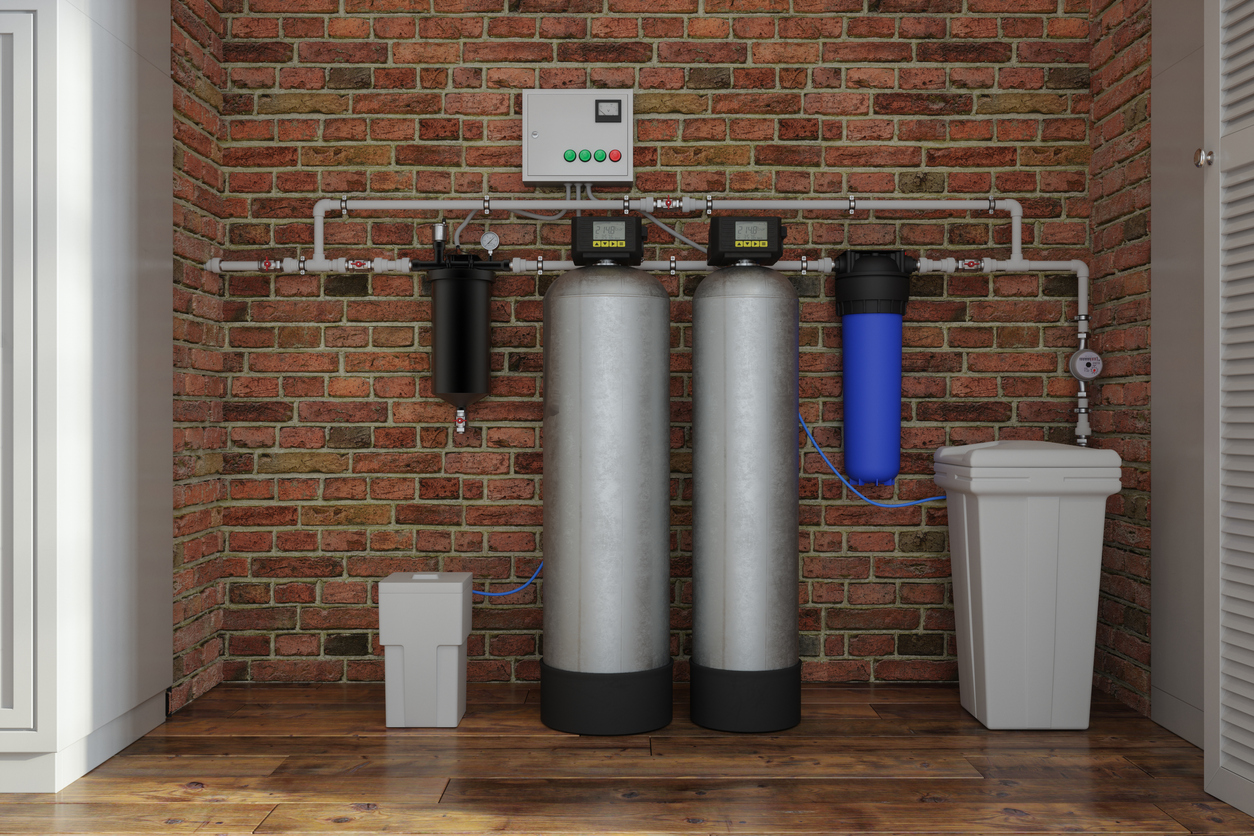
The smartest time to think about these possibilities is during construction.
Over time, you may want to add or upgrade equipment to keep your drinking water clean and your home’s plumbing system protected.
With well water, that could mean installing a new water softener or a more advanced filtration system if mineral buildup or water contamination becomes an issue.
For city water, many homeowners eventually add a whole-house water filter to improve taste or reduce trace harsh chemicals that remain after the city’s filtering process.
By leaving room for extra tanks, a larger house water filter, or even backup power for a pump, you make it easy to adapt later without costly remodeling.
Dunn & Stone designs homes with flexibility in mind, so your water setup can evolve as your family’s needs change.
Often, the decision between well water and city water comes down to where your land is located.
If you’ve purchased a lot in a subdivision or near established neighborhoods, chances are your home can connect to the municipal water system.
This makes setup straightforward and avoids the upfront cost of drilling.
In contrast, building on acreage in a rural area usually means installing a private well.
Here, independence comes at a higher upfront price, but it can offer long-term freedom from a monthly bill.
The key is understanding not just what’s available, but how each option will affect your home’s design, budget, and long-term lifestyle.
Quick Summary:
Choosing between well water and city water is just one of many decisions that comes with building on your own undeveloped land.
But you don’t have to navigate it alone.
At Dunn & Stone, we’ve helped countless homeowners evaluate their lots and design homes that account for every practical detail, including the systems that keep daily life running smoothly.
We’re not a utility company, but as your builder, we work closely with the right professionals to make sure your home is designed with water access in mind from day one.
That means planning space for a water filtration system, coordinating with your local municipality if you’re connecting to city water, or designing utility areas that can support a private well.
When you build with Dunn & Stone, you get more than a home.
You get peace of mind knowing that every decision from floor plan to water supply is supported by a team who understands how to turn land into a lasting investment.
Ready to build your dream home on your land? Contact Dunn & Stone today to start the building process with a home builder who knows how to bring your dream home vision to life.

.webp)


