COMPANY
Home
Where We Build
About Us
Contact Us
Vendor Inquiry


If you've ever had to replace a window (or several) in your home, you know that windows can be pricey. Many of our customers want to know if their windows are covered under warranty. The short answer: usually no.
Most home warranty plans focus on systems and appliances like your HVAC, electrical systems, plumbing, water heaters, and other major home systems that keep the place running. Windows, on the other hand, fall under structural elements, which are typically excluded from a standard service contract.
But that doesn’t mean you’re entirely on your own. Some providers offer optional add ons, and other protections, like homeowners insurance, and manufacturer warranties. And your builder’s warranty can step in to cover window damage, defects, or installation issues.
Below, we’ll walk you through what’s covered, what’s not, and how new homeowners can avoid unexpected repair costs.
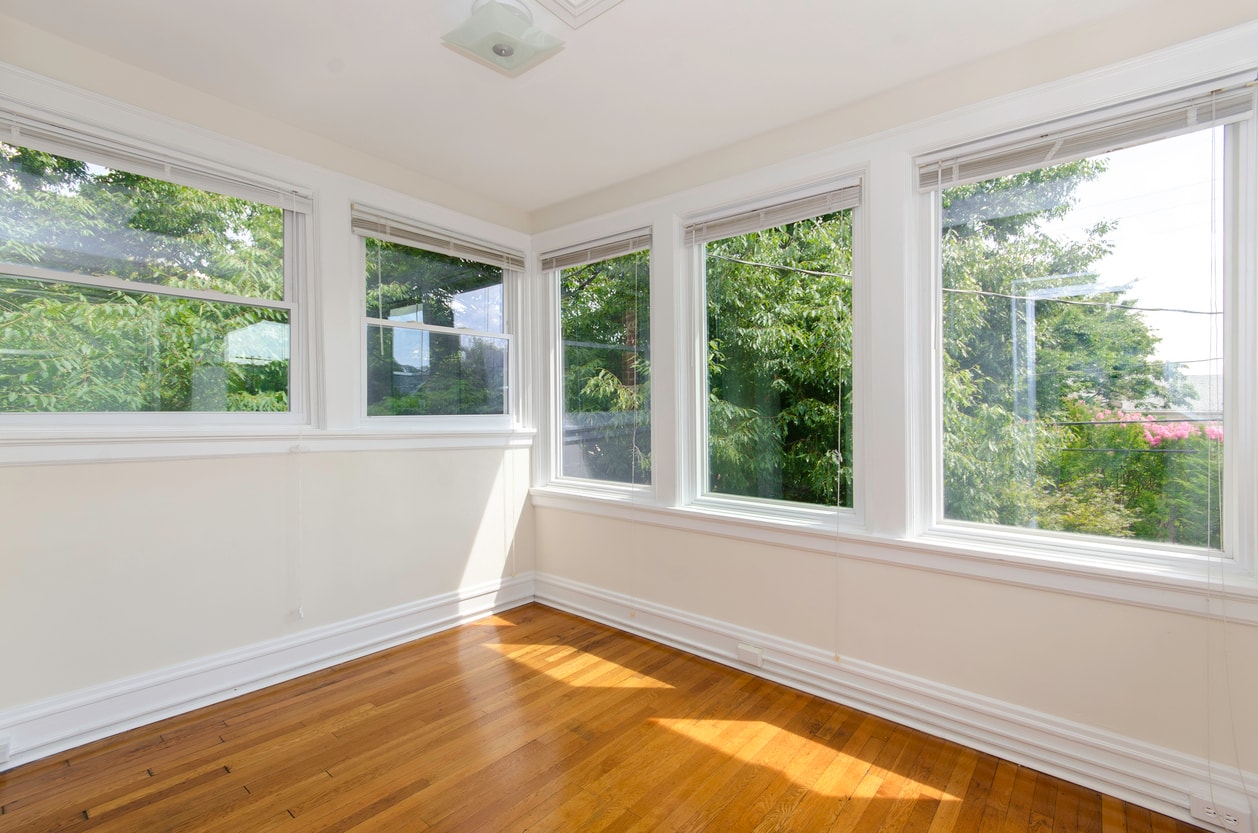
A home warranty is designed to protect you from sudden breakdowns in the parts of your home that work the hardest (think HVAC units, air conditioners, electrical panels, and other appliances and systems). These plans typically cover appliances and major home systems rather than items attached to the home’s structure, such as windows, exterior doors, or roofing.
That’s why standard home warranty policies generally cover repairs for things like:
• Air conditioners
• Water heaters
• Electrical systems
• Interior plumbing
• Major appliances
…but not:
• Window glass
• Window frames
• Foggy windows
• Door replacement
• Structural changes
If your window cracks due to age or normal wear and tear, the warranty company won't step in. You’ll likely need to pay out of pocket unless you purchased optional coverage.
Some home warranty companies do offer window coverage add-ons, but these come with strict rules, limited payouts, and tighter coverage limits. If you want that type of protection, ask the home warranty company directly. (And read the warranty carefully, because window language is often tucked into the exclusions.)
Home warranties typically cover HVAC systems, plumbing, and major appliances, not windows. Since windows are treated as part of the home’s structure, they fall outside standard home warranty window coverage.
That said, a few companies offer optional window protection. It’s not common, but if you see an add-on, expect:
• An additional premium
• Strict service-call caps
• Limits on what qualifies as a “covered defect”
• Exclusions for normal wear, weather, or impact damage
In other words: optional coverage might help with specific issues, but it won’t replace new windows or solve long-term window problems.
If in doubt, talk to the warranty provider, ask about deny claims triggers, and review the policy line by line. Or loop in industry experts who can tell you how realistic that coverage actually is.

Here’s the part homeowners actually need to know: your best protection usually isn’t a home warranty. It’s one of these three options:
Your homeowners insurance policy is often the first place to look. This type of coverage protects windows when they’re damaged by a covered peril, such as:
• Storm debris
• Hail
• Vandalism
• Fire
• Certain natural disasters
If a branch smashes your window during a storm, homeowners insurance covers the damage minus the deductible. It can also cover window repairs on detached structures under “other structures” coverage.
What it doesn’t cover:
• Old windows
• Normal wear and tear
• Foggy windows
• Maintenance issues
This type of insurance protects you from sudden events rather than slow decay. So if your windows fail because they’re 30 years old, that falls on the homeowner.
A manufacturer warranty focuses on protecting you from defects in the window product itself. This is the coverage that says:
In these case, the window manufacturer will repair or replace the affected parts.
Some even cover:
• Foggy windows from seal failures
• Hardware malfunctions
• Frame defects
This is the warranty that actually covers defects, though it won’t pay for damage from accidents, storm events, or improper maintenance. Always keep your paperwork, because window warranty coverage can last 10–20 years depending on the brand.
If you purchased a newly constructed Dunn & Stone home, you’re already familiar with a key advantage: builder’s warranty protection.
A builder’s warranty can provide coverage for:
• Structural defects
• Early window installation issues
• Frame or sash failures caused by workmanship
Usually, this breaks down as:
• One year of coverage for materials and workmanship
• Two years for mechanical systems
• Up to ten years for major structural concerns
If a new window fails due to installation, your builder's warranty is the coverage that helps.
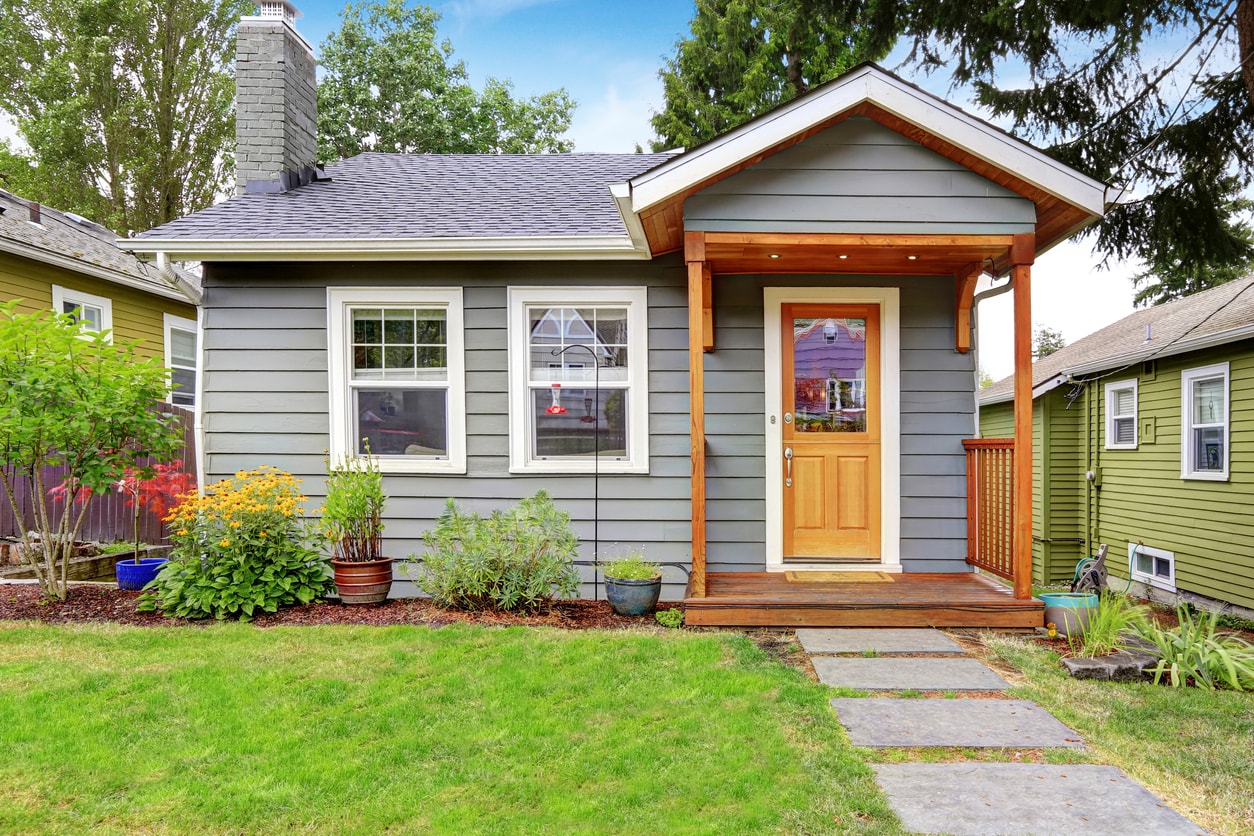
No matter which protection you rely on, the rules are always in the fine print. Look for:
And always request the policy details in writing. Many homeowners only discover limitations after a company attempts to deny claims, and by then it's too late.
Replacing windows isn’t cheap, so good protection habits go a long way. Homeowners often benefit from:
These small upgrades reduce the odds of window damage and help keep your coverage. Insurance companies love documented upgrades that improve home security.
If you still want a home warranty, choose carefully. Look for providers with:
A good provider should make coverage easy to understand.
Windows rarely fall under standard home warranty coverage, but you still have strong protection options through homeowners insurance, manufacturer warranties, and your builder’s warranty. Take time to read the home warranty policy, understand the limitations, and ask questions before you sign.
Your windows protect your home every day. Make sure you’re giving them the coverage they need.
Yes, if the damage is caused by a covered peril listed in your insurance policy. Storm damage, vandalism, and accidents are often covered, but normal wear or aging windows are not.
Most home warranties do not cover windows. Some offer optional add-ons, but these tend to have tight coverage limits and won’t fully replace new windows.
A manufacturer warranty generally covers defects, faulty materials, or installation problems. It won’t cover accidental damage or aging, but it can protect you from early seal failures or mechanical issues.
Most builder’s warranties cover windows for at least one year, with longer coverage available for structural issues related to improper installation.
Use window protection film, upgrade to tamper-proof hardware, maintain caulking, and consider motion lighting or security sensors. These steps reduce risk and prevent costly surprises.

.webp)


