COMPANY
Home
Where We Build
About Us
Contact Us
Vendor Inquiry

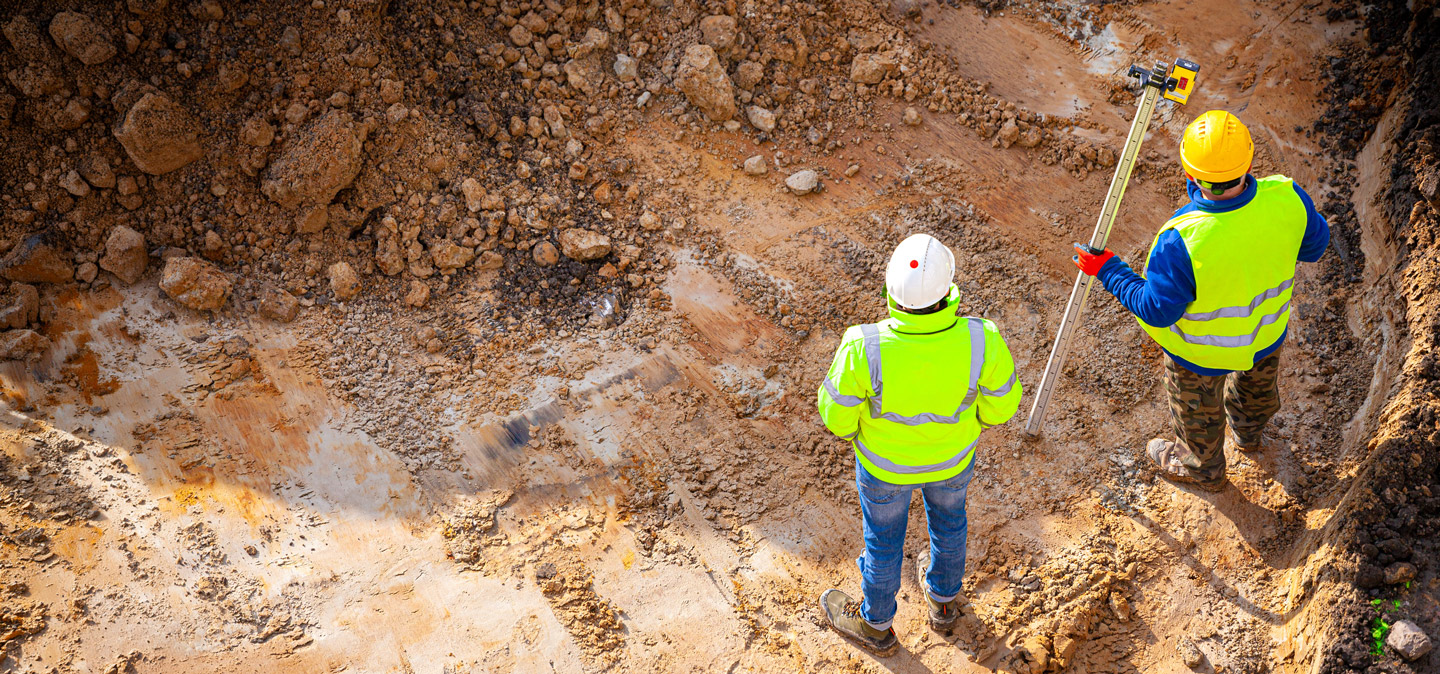


Soil testing evaluates the composition and strength of the soil on a property before construction begins. Engineers analyze samples from the site to determine how the ground will behave under a building’s weight. The results guide foundation design so the structure remains stable over time.
Soil conditions directly affect foundation performance. Expansive clay, moisture movement, and drainage patterns can cause structural stress if not properly addressed. Soil testing helps engineers design a foundation that accommodates these conditions and protects the home.Site evaluation is the first step because it helps identify issues that could impact foundation design, excavation, and installation. Addressing these factors early protects your investment and supports long term project success.
The soil report provides critical data such as load bearing capacity, soil composition, and moisture sensitivity. Structural engineers use this information to determine the most appropriate foundation system for the property. This may influence slab thickness, pier depth, or reinforcement strategies.
Yes. Soil conditions vary widely across the greater Houston region. Many areas contain expansive clay soils that shift with changes in moisture. Local soil testing helps engineers design foundations that perform well within these conditions.
Soil testing should occur early in the planning phase, ideally before finalizing foundation plans. Early analysis allows engineers to design the structure correctly from the beginning. This reduces the risk of structural adjustments during construction.

.webp)


